
What to Ask Before Getting Botox

73 Views
Read Time:4 Minute, 16 Second
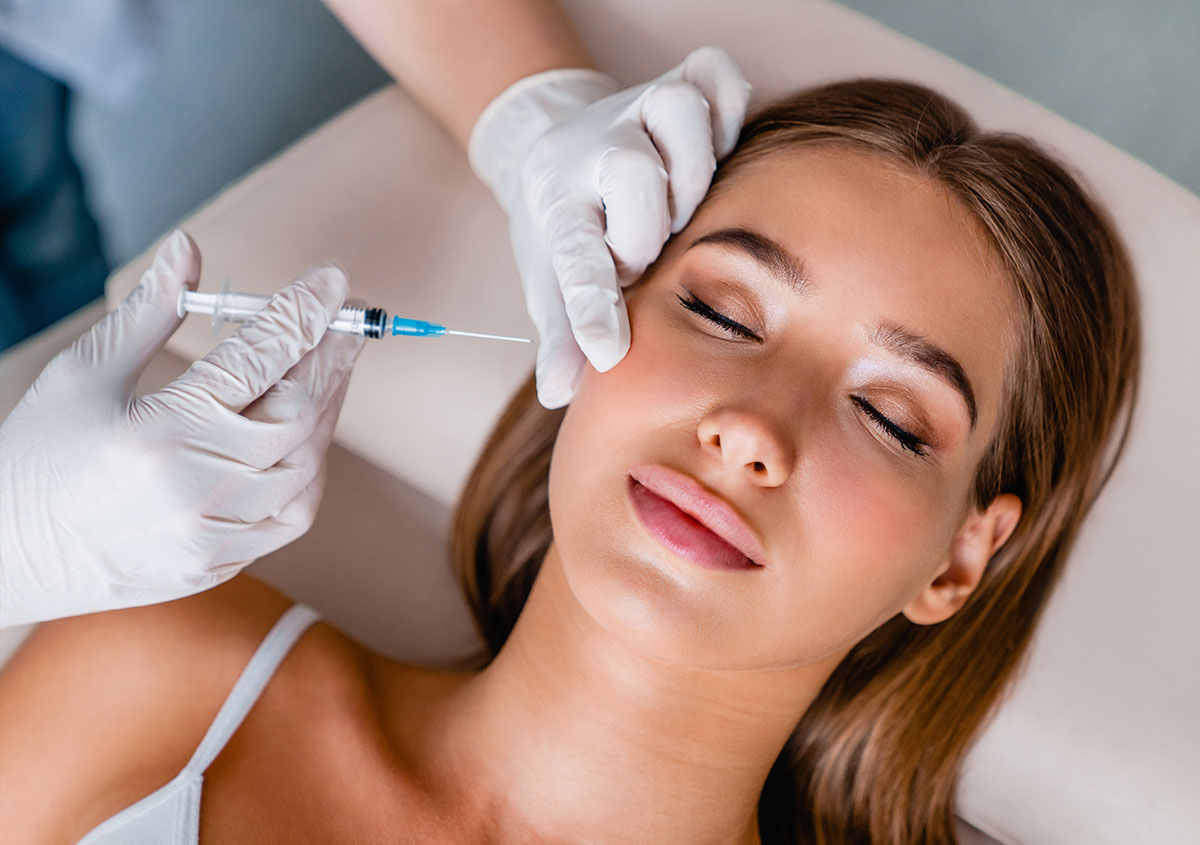
Botox helps to eliminate fine lines and wrinkles. The therapy acts by relaxing specific facial muscles that form expression lines. But there are different things you need to know before making your appointment in Indianapolis.
Consultation offers the best chance to understand how the treatment works, what outcomes to expect, and whether Botox will suit your aesthetic purposes.
Here is what to ask before proceeding with treatment.
Do you have a Botox qualification and experience?
The application of Botox requires a high degree of accuracy and knowledge of facial anatomy. The results are likely to look more natural when done by a trained medical professional. This is a person who is experienced in making injections.
Ask about:
- Medical qualifications and certifications.
- Years of experience in doing injections.
- Expertise in aesthetic therapies.
A qualified practitioner will also know how to change the dosing and the location of the injection depending on your facial structure.
Will Botox address my concerns?
Botox is aimed at treating dynamic wrinkles. They develop as a result of repeated muscle movement. These are the lines that you see when you:
- Smile
- Frown
- Lift your eyebrows.
The typical areas of treatment are:
- Forehead lines
- Crow’s feet around the eyes
- Brow furrows between the eyebrows.
But not all skin issues are the result of the movement of muscles. You may be suffering from:
- Skin laxity
- Texture problems
- Static wrinkles.
These may need other procedures like dermal fillers or resurfacing. A consultation will assist in identifying whether Botox as a single therapy will produce the desired effects.
How many units will I need?
You may need a series of Botox Treatments Indianapolis. This depends on the part and the intensity of the muscle movement. The injections are calculated in units.
For example:
- Foreheads may require fewer units.
- Glabellar lines (between the eyebrows) may need moderate doses.
- The treatments of the crow’s feet can change according to muscle activity.
Inquire about the approximate number of units you may need. This will in form you of the treatment plan and cost before you begin the process.
What results should I expect?
Botox does not totally affect facial movement. Rather, it relaxes muscle contractions. This minimizes the presence of wrinkles.
During your visit, enquire about:
- The anticipated changes in your areas of treatment.
- How natural your facial expressions will appear.
- If more treatments will increase the outcome.
Patients can start to feel the results in several days. The entire effect can be observed after approximately two weeks.
What is the sustainability of the results?
The effects of Botox are temporary. This is because the treated muscles resume their functions over time. The effects take around three to four months in most instances.
Nevertheless, there are various factors that determine the duration of results:
- Muscle strength
- Metabolism
- Lifestyle habits like the level of exercise
- Previous treatment history.
Regular treatments can deliver more consistent results in the long run.
What are the risks or side effects?
Botox is a popular and well-tolerated treatment. But it is still a medical procedure. Inquire about possible risks. This will give you an idea of how the provider handles safety.
Potential adverse effects include:
- Minor swelling in injection sites.
- Temporary bruising or redness.
- Headaches,but rarely.
These effects are often mild. They also don’t last long. An injector should explain how they ensure the accuracy of the injections and reduce complications.
What is the aftercare process?
The aftercare is not complicated. But adhering to the instructions yields the best outcomes.
Common recommendations in the aftercare involve:
- Do not rub the treated area for several hours after treatment.
- Stay upright for a few hours following injections.
- Do not engage in intense physical activity the rest of the day.
Your provider can also suggest avoiding some skincare treatments and facial massages in the short term.
How many times will I need maintenance treatments?
Botox fades slowly. Therefore, treatment is required to maintain the outcome. Many patients will make follow-ups after three to four months.
Read More: Top Rated Treatments for Hormonal Acne in Women: Your Ultimate Guide
You can discuss a long-term plan to know what continued care could be like. A reliable provider will suggest a treatment regimen that fits your objectives and how your muscles react to injections.
Can Botox be used with other treatments?
Usually, Botox is a component of an overall aesthetic plan. Most people use it alongside other therapies to address a variety of signs of aging simultaneously.
For instance, Botox can be combined with:
- Dermal fillers: Replace lost volume.
- Dermabrasions: Improves the texture of the skin.
- Dermatological products: Helps with long-term care.
Integrating therapies can offer holistic outcomes.
Will my treatment plan be customized?
Everyone has specific facial muscle configurations. The treatment should be personalized. This will produce the most natural enhancement.
A certified injector will consider the:
- Facial symmetry
- Movement patterns
- Muscle strength
- Skin elasticity
- Individual aesthetic objectives.
A custom treatment prevents an overtreated look.
The last words
Discuss these factors with a qualified provider. Consequently, you will have confidence in your treatment as being safe and satisfactory to your aesthetic objectives.


Happy
0 %

Sad
0 %

Excited
0 %

Sleepy
0 %

Angry
0 %

Surprise
0 %
 0
0
 0
0

More Stories
Top Rated Treatments for Hormonal Acne in Women: Your Ultimate Guide
If you are a woman constantly experiencing painful acne around your chin and jaw, particularly during menstruation and high-stress periods,...
Reasons To Go For Ultrasonic Fat Cavitation
Nothing is more upsetting than exerting significant efforts to lose fat with no discernible effects. Love handles, hip fat or...
10 Reasons To Include Salicylic Acid In Your Daily Skincare Routine
If you are still using the same pore-clogging, harsh skincare products as you did before, you might be missing out...
Average Rating